The Old Days of “That Will Never Happen”
There was a time when GeForce NOW had the strangest problem in gaming. The service was powerful enough to run almost anything, yet a bunch of publishers simply didn’t want their titles on it. It wasn’t about performance or hardware. It wasn’t even about cloud limitations. The real issue was publishers wanting extra licensing deals, tighter control or simply not liking the idea of cloud services touching their storefronts without a cheque attached.
So people built mental lists. Long lists. Lists of games that felt permanently “off limits” because of how certain companies behaved. These weren’t impossible for technical reasons. They were impossible because someone in a boardroom somewhere said no. And that no stuck for years.
What Changed
The shift came when publishers finally realised that GFN wasn’t asking them to build special cloud versions of their games. No extra work. No separate builds. No weird cloud optimisation path. Just the same PC version everyone else uses, accessed through the player’s own store purchase.
Once that clicked, the old arguments collapsed. One major publisher said yes, then another, then another. Suddenly the pressure wasn’t on Nvidia to convince anyone. The pressure was on the holdouts to explain why they were still holding out.
The Impossible Games That Actually Arrived
That’s how we ended up with moments that would’ve sounded laughable a few years back.
Final Fantasy arriving on GFN was a genuine milestone. Square Enix wasn’t exactly known for embracing cloud platforms, yet here we are, playing one of the biggest JRPG franchises without compromise.
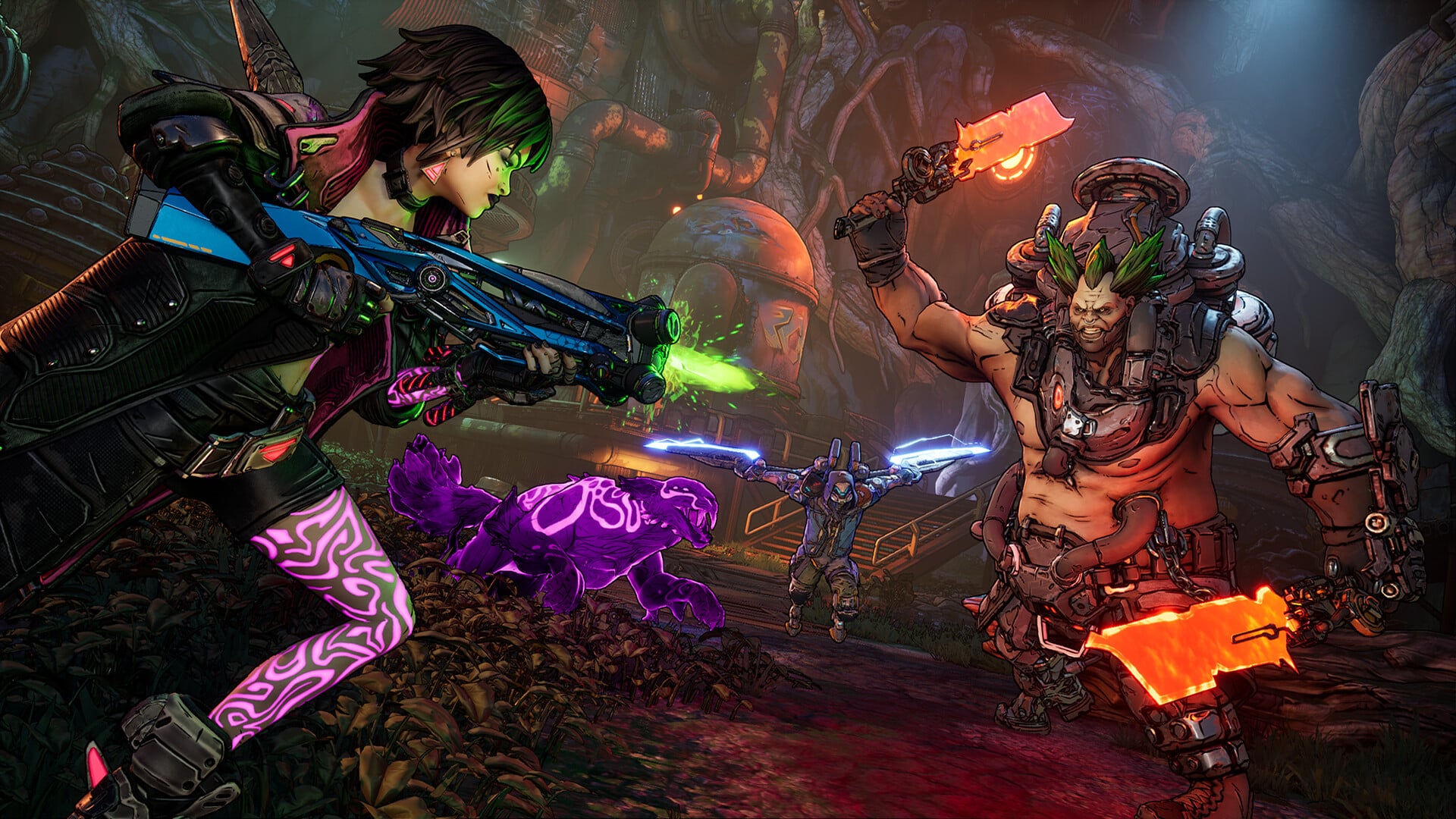
Borderlands was another big shift. 2K famously kept everything off GFN for years. It became the poster child for “yeah, don’t get your hopes up.” Then suddenly the series appeared, ran well and proved that years of refusal weren’t technical. They were just… refusal.
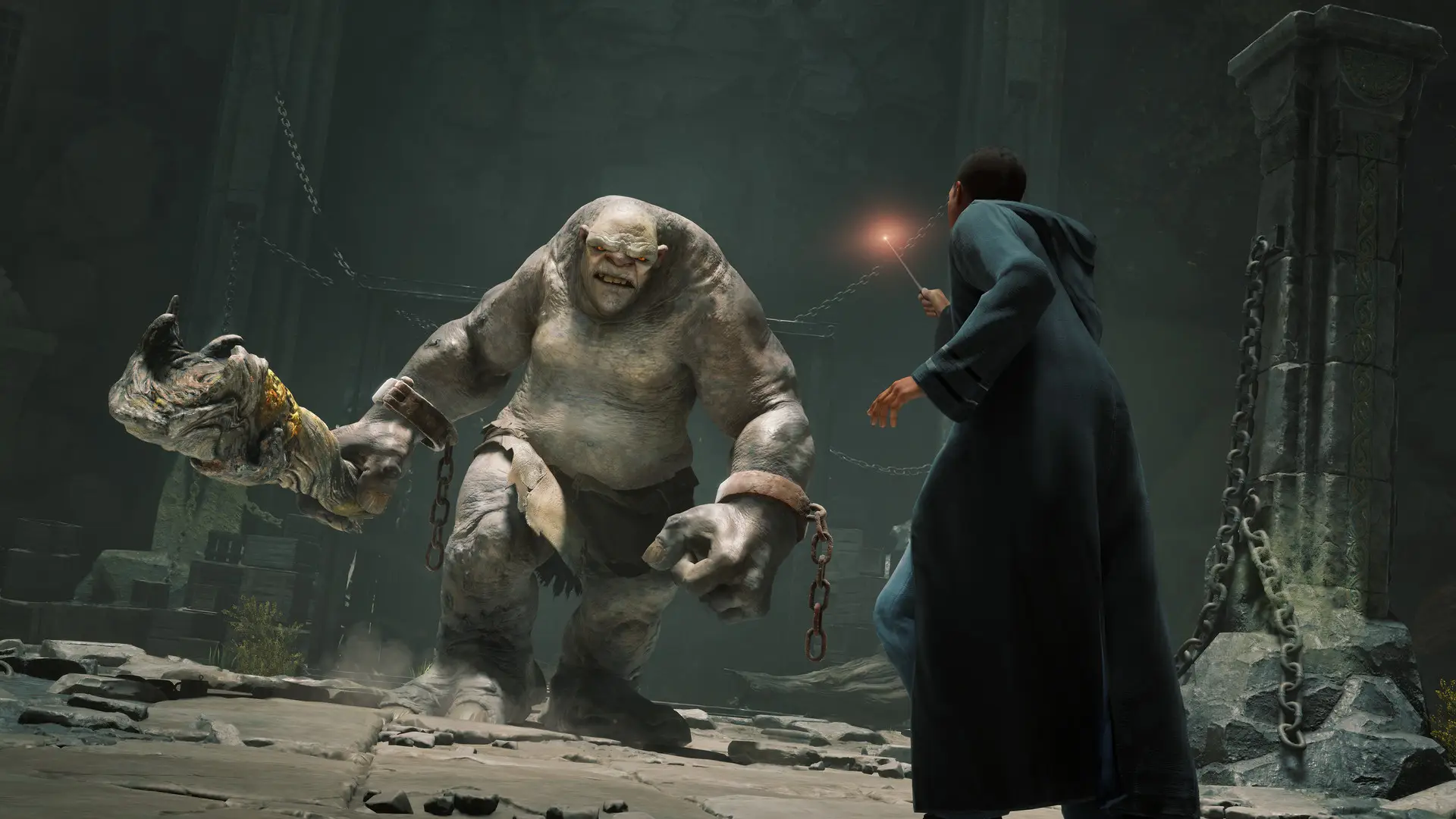
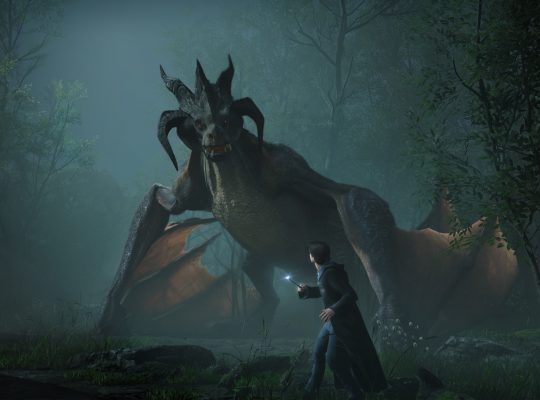
Hogwarts Legacy arrived next. A massive licensed game, tightly controlled, and from a publisher that historically avoided cloud services unless it was their own thing. Seeing it on GFN felt like one of the final major walls finally cracking.
None of these were about breakthroughs in cloud streaming. They were about publishers changing their stance.
Day-and-Date Is Becoming Normal
One of the clearest signs of how far things have moved is how often major games now hit GFN on day one. It used to be a rare, exciting moment. Now it’s almost routine. People check GFN on release day expecting to see the new big game available. When it’s not, it feels surprising.
That’s how you know the perception has changed.
The Impossible Games That Are Actually Left
The fascinating part is how short the remaining “impossible list” has become. It used to be dozens of games long. Now it’s a collection of obvious names that stick out precisely because everything else has moved.
GTA is the mascot of this club. It has been missing forever, but not because GFN can’t run it. Everyone knows this is a publisher decision.
Elden Ring is another big absence. One of the most requested games in the world and still no sign of it. A couple of years ago this wouldn’t have been surprising. Now it feels like one of the few remaining weird gaps.
PUBG is still missing as well. Funny how the game people once begged for on GFN is now one of the last big battle royales not available.
Then there’s the PlayStation situation. Sony’s PC releases like Horizon, Days Gone and God of War are all perfectly capable of running on GFN. In fact, God of War did appear on GFN for a short while before being pulled after a couple of months. That moment proved there’s no technical barrier. The block is entirely business and strategy. And even that long-term strategy looks less locked-in than it did a few years ago.
The important thing is how small this list now is. A few giants, a few predictable absences, and not much else. GFN used to feel excluded from half the industry. Now the remaining holdouts look more like anomalies than evidence of a closed ecosystem.
The New Normal
The story now is simple. The impossible games aren’t impossible anymore. Publishers who once refused cloud support are bringing their biggest franchises over. Day-and-date releases feel ordinary. Surprise launches don’t shock anyone. And the number of games left off GFN keeps shrinking to the point where the exceptions are more famous than the rule.
GFN has stopped being “the service that might get games someday” and become “the service that has almost everything already.”
The impossible list is tiny now, and it’s getting smaller.
That’s the new normal.